
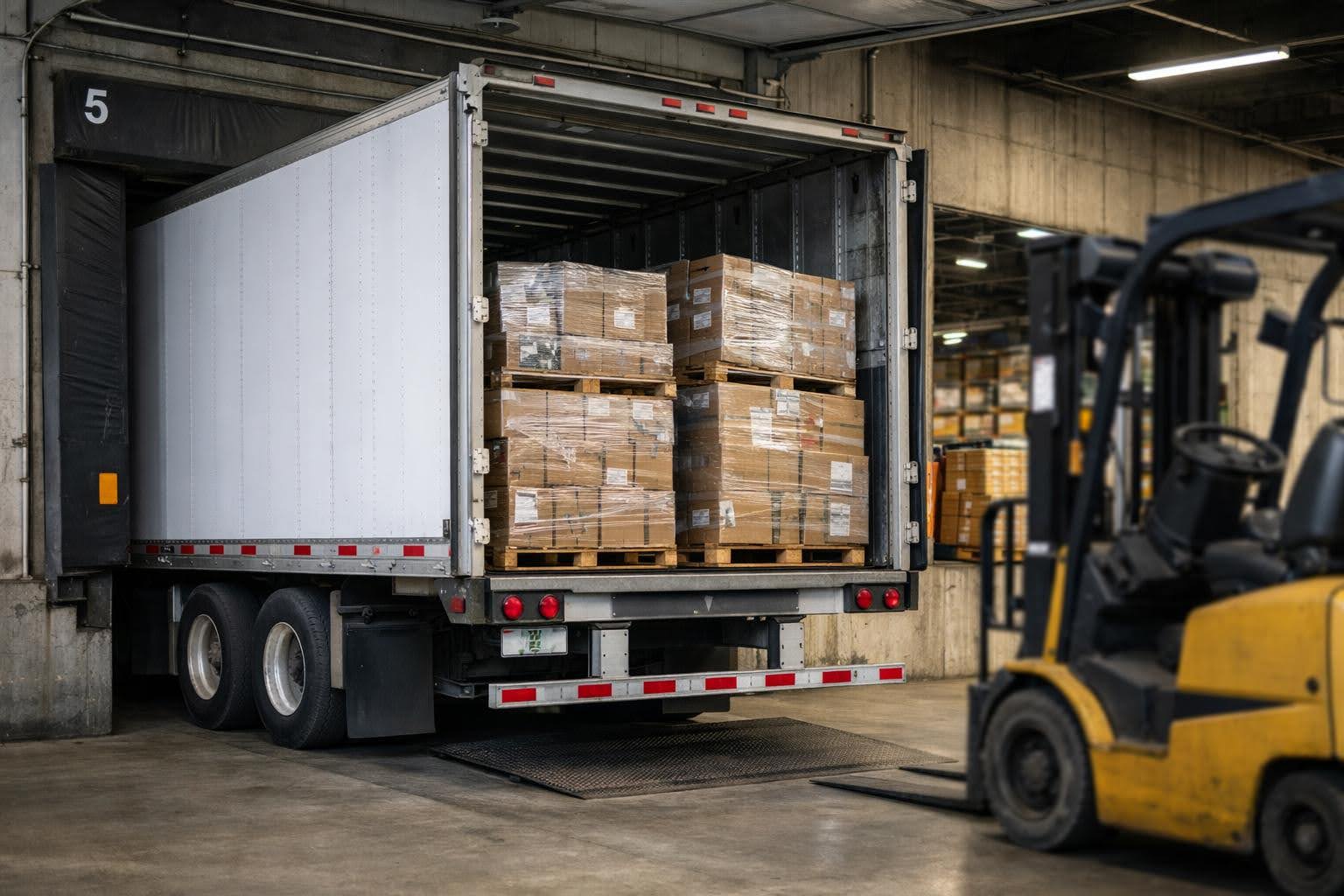
Most buyers searching for “best Amazon return truckload suppliers” are really asking one question: who won’t waste my money?
That’s a fair question. The Amazon liquidation space is crowded with brokers, resellers, and middlemen – many of whom make big promises and deliver processed loads with the best items already pulled.
Finding a supplier who actually has access to quality inventory, communicates honestly about what you’re getting, and doesn’t lock up your funds for weeks is harder than it should be.
“Best” depends entirely on what kind of buyer you are, how much capital you’re working with, and what you plan to do with the merchandise. This guide breaks down how to figure that out.
What You’ll Learn in This Guide
➤ How Amazon returns inventory actually moves from fulfillment center to your dock, and why that chain matters more than price.
➤ The three sourcing models (official marketplaces, brokers, direct suppliers) and where buyers get burned in each one.
➤ What separates a supplier worth trusting from one that’ll cost you thousands in cherry-picked loads and locked funds.
➤ Which sourcing path actually makes sense for your buyer type – from first truckload to fiftieth.
➤ The real reason “Amazon truckload for sale” listings are often misleading, and how to spot the difference.
Quick Overview
How Amazon Liquidation Actually Works
Before you evaluate any supplier, you need to understand how Amazon returns inventory moves from the fulfillment center to your loading dock. This determines the quality of what you receive, the price you pay, and how much risk you’re taking on.
Where Returns and Overstock Come From
Amazon processes millions of customer returns every week. Jeans in the wrong size, a phone case someone ordered twice, a kitchen gadget that didn’t meet expectations. Those items rarely go back on the shelf as new inventory.
Amazon evaluates each return and categorizes it by condition. Some get relisted through Amazon Warehouse Deals or the Amazon Renewed program.
But most of them, particularly items that have been opened, have damaged packaging or fall below a certain value threshold, get flagged for liquidation.
From there, items are grouped into bulk lots, loaded onto pallets, and routed to authorized liquidation partners.
Amazon also liquidates overstock, seasonal items, and inventory from third-party FBA sellers who choose liquidation over paying to have goods shipped back to them.
The result is a constant, high-volume pipeline of merchandise spanning virtually every product category. Electronics, home goods, apparel, toys, tools, health and beauty, and more.
That pipeline is what makes AMZ return truckloads attractive. It’s also what makes sourcing complicated, because not everyone selling “Amazon truckloads” has the same level of access to that inventory.
Why Amazon Doesn’t Sell Directly to Buyers
This is where a lot of buyers get tripped up. Amazon does not sell return truckloads directly to individual resellers.
There is a Bulk Liquidations Store program in beta, but it’s restricted to enrolled participants and focuses on palletized lots rather than full truckloads.
Amazon optimizes for speed and scale. It’s more efficient for them to move massive volumes through a small number of authorized partners than to manage thousands of individual buyer relationships.
Those partners, like B-Stock, which runs Amazon’s official auction marketplace, then make the inventory available through their own platforms.
This creates a tiered system:
➤ Top tier: Companies with direct contracts to purchase from Amazon fulfillment centers.
➤ Middle tier: Brokers and resellers who buy from contract holders and resell to end buyers.
➤ Bottom tier: Brokers selling to other brokers, with each layer adding cost and reducing quality.
Every layer between you and the original source adds cost, reduces transparency, and increases the chance that loads have been sorted or cherry-picked before reaching you.
How Inventory Moves From Retailer to Reseller
Amazon routes return and overstock inventory to authorized liquidation partners who purchase in massive volume, often hundreds of truckloads per month, directly from distribution centers across the country.
From there, inventory enters the secondary market through three channels:
➤ Official auction marketplaces where buyers bid on lots.
➤ Direct-purchase suppliers who sell truckloads at fixed or quoted prices.
➤ Downstream brokers who buy from primary sources and resell at a markup.
Where your supplier sits in this chain directly affects what you pay, what condition the merchandise is in, and how much you know about the load before you buy it.
A supplier purchasing directly from Amazon DCs is working with unprocessed inventory. A broker buying from another broker may be selling you loads that have already had the highest-value items removed.
Who Can Sell Amazon Liquidation Inventory

Not everyone advertising “Amazon return truckloads” has the same relationship with that inventory. There are three main sourcing models, and each one comes with its own trade-offs.
Official Marketplaces and Auctions
These platforms have direct partnerships with Amazon to sell liquidation inventory. The two biggest names are B-Stock (which runs Amazon’s official auction marketplace) and Liquidation.com (operated by Liquidity Services).
What works: Inventory ships directly from Amazon warehouses. It hasn’t been touched or sorted by intermediaries.
What doesn’t: You’re bidding against other buyers, including large operations that will outbid you on the best lots. Prices have climbed significantly in recent years.
You also need a resale certificate. You arrange your own freight. And the experience is purely transactional. Nobody’s calling to walk you through your first purchase.
Best fit: Experienced buyers who understand freight and can move fast. Not ideal if you’re still learning the ropes.
Brokers and Resellers
The broadest and most unpredictable category. Brokers buy Amazon liquidation inventory, sometimes from official channels, sometimes from other brokers, and resell to end buyers.
Some are legitimate operations with years of honest track record. Others are fly-by-night sellers who process loads, pull the best items, and sell you the leftovers as “Amazon truckloads” at prices that don’t reflect what’s actually inside.
The broker model isn’t inherently bad. A good broker adds real value through load selection, freight coordination, and honest condition disclosure.
Where buyers get burned: They can’t tell the difference between a broker with genuine access and one that’s three layers removed from the source.
Red flags to watch for:
✖ Vague descriptions of where inventory comes from
✖ Pressure to buy immediately
✖ Pricing that seems too good to be true
✖ Won’t explain their sourcing relationship
Direct and First-Source Suppliers
These companies purchase Amazon return inventory directly from distribution centers or through primary authorized channels. No auction. No bidding. Quoted pricing, typically FOB from specific warehouse locations.
Worldly Treasures Liquidators operates in this space, sourcing daily loads directly and selling to resellers, bin store owners, and multi-location retailers nationwide.
Why direct sourcing is a solid choice:
➤ Consistent inventory access without competing in auctions
➤ Transparent pricing where you know the load cost and freight before you commit
➤ A relationship-based approach where your supplier knows your business
The key difference between a direct supplier and a broker is accountability. A direct supplier’s reputation depends on the quality of every load they move. They can’t hide behind an auction platform or blame an upstream source when things go wrong.
That accountability, backed by practices like protected purchasing (your funds aren’t locked until freight is rolling) and same-day communication, is what separates suppliers who build long-term partnerships from those just moving volume.
What to Look for in a Legit Supplier
Price per load is not the most important number. These are the criteria that actually protect your capital.
Inventory Transparency
Before you send money, you should have a clear picture of what you’re buying. Load type, general category mix, condition breakdown, realistic expectations. A supplier who gets vague when you ask basic questions is a supplier worth avoiding. WTL is upfront about what they know and what they don’t, and they flag unknowns before you commit.
Fund Protection
In a typical liquidation purchase, you wire money and hope the load shows up. Fund protection means your payment isn’t released until freight is confirmed in transit. This is exactly how we structure transactions. If a supplier demands full payment upfront with no protection, you’re carrying all the risk.
Communication
Can you reach a real person by phone? Do they respond the same day? Do they follow up after delivery? Or do they go silent after payment clears? We guarantee same-day communication. That matters when something goes wrong, and you need it resolved fast.
Freight handling
A good supplier gives you clear FOB details, accurate pallet counts, and weight estimates so you can get reliable shipping quotes. Know the total landed cost before you commit.
Condition Disclosure
Amazon return truckloads contain a mix of conditions, whether you’re buying truckloads or individual pallets. New, lightly used, damaged, or missing parts. Any supplier who suggests otherwise is being dishonest. What you want is someone who gives you an honest read up front so you can calculate realistic margins.
Best Supplier Options by Buyer Type

Instead of “best companies,” here’s how to think about it by the type of buyer you are.
First-Time Truckload Buyers
Your biggest risk isn’t the merchandise. It’s the learning curve. Freight logistics, load types, processing labor, and resale channels. All at once.
You need a direct supplier who provides hands-on guidance, not an auction platform where you’re competing blind. That’s why we walk new buyers through load selection, explain load types, and set realistic expectations. Protected purchasing means your funds aren’t at risk if something goes wrong before shipment.
Avoid: Loads from unfamiliar brokers, auction bidding wars, and anyone who pressures you to buy before answering your questions.
Bin Stores
You need two things: consistent inventory and high piece counts. Your bins need to stay full.
Worldly Treasures moves daily loads from distribution centers across the country, so you can build a predictable purchasing rhythm instead of scrambling week to week. We also sell AMZ pallets for operators not ready for full truckload volume.
Experienced Truckload Buyers
You already understand freight and have established resale channels. You need a supplier who can keep up with your purchasing cadence and deliver consistent quality.
At truckload volumes, a single bad load costs you thousands. Prioritize supplier accountability. Fund protection, proactive communication, and a willingness to work with you on resolution matter more than saving a few hundred on load price.
Export and High-Volume Buyers
You need dependable supply, FOB options from multiple regions, and unprocessed loads that haven’t been cherry-picked for domestic resale.
WTL serves export buyers across South America, Canada, Africa, and other international markets with FOB options from the East Coast, Midwest, South, and West Coast. That geographic flexibility lets you match logistics to the closest port or crossing, keeping freight costs down.
Common Mistakes Buyers Make With Amazon Return Inventory
These are the mistakes that cost buyers real money.
✖ Ignoring freight costs. A $10,000 truckload plus $2,500 in freight changes your margins fast. Always get a freight quote before committing, and factor the total landed cost into your per-item numbers.
✖ Chasing brand names. Buyers imagine pallets full of premium electronics. The reality is a mix. Experienced buyers evaluate loads based on sellable item count and how well the merchandise fits their resale channels, not brand appeal.
✖ Buying from the cheapest source. The cheapest truckload is often the most expensive mistake. Rock-bottom pricing usually means the load has been picked through, the supplier has no accountability, or the condition mix is far worse than advertised.
✖ Not having a processing plan. A truckload sitting in your warehouse isn’t making money. Before you buy, know exactly how you’re going to sort, test, price, and move the merchandise. The profit is in the processing speed, not the purchase.
Why “Amazon Truckload for Sale” Is Often Misleading
Search that phrase, and you’ll find dozens of sellers advertising what look like direct Amazon loads. Many are legitimate. But a number are brokers reselling loads that have already been picked through, or repackaging salvage goods as “customer returns.”
If a seller can’t clearly explain where the inventory comes from and how many hands it’s passed through, move on.
Final Guidance
Amazon Liquidation loads are conditional. Every load is different, every market is different, and no supplier can guarantee your profit. The buyers who do well are the ones who ask better questions before they buy, not after.
Where does this inventory come from? What’s the full landed cost? What happens if there’s a problem? How fast can I reach someone?
Those answers tell you more than any price quote.
FAQs
Can I buy Amazon return truckloads directly from Amazon?
No. Amazon does not sell truckloads directly to individual buyers. They route liquidation inventory through authorized partners and a limited Bulk Liquidations Store beta program. Most buyers access Amazon return truckloads through direct-source suppliers or brokers who purchase from these authorized channels.
How do I avoid getting scammed when buying Amazon return truckloads?
Work with suppliers who offer fund protection so your money isn’t locked up before shipment. Ask for verifiable reviews from real buyers. Make sure you understand the supplier’s sourcing relationship and whether they’re buying direct or several layers removed. Avoid anyone who pressures you to buy immediately or won’t answer basic questions about sourcing and condition.
Is buying Amazon return truckloads profitable?
It can be, but it depends on your sourcing cost, freight expenses, processing speed, and resale channels. Realistic margins typically range from 20 to 40% after all costs. The buyers who consistently profit have systems for processing inventory quickly, established sales channels, and reliable suppliers who deliver consistent quality. It’s a real business that requires real work.
Is it better to buy Amazon truckloads at auction or at a fixed price?
Auctions can land you a good deal if you’re experienced and disciplined with your bidding. But competition has driven prices up on most platforms, and it’s easy to overbid in the moment. Fixed-price buying through a direct supplier gives you predictable costs, no bidding wars, and a relationship in which your supplier knows what works for your business.
