
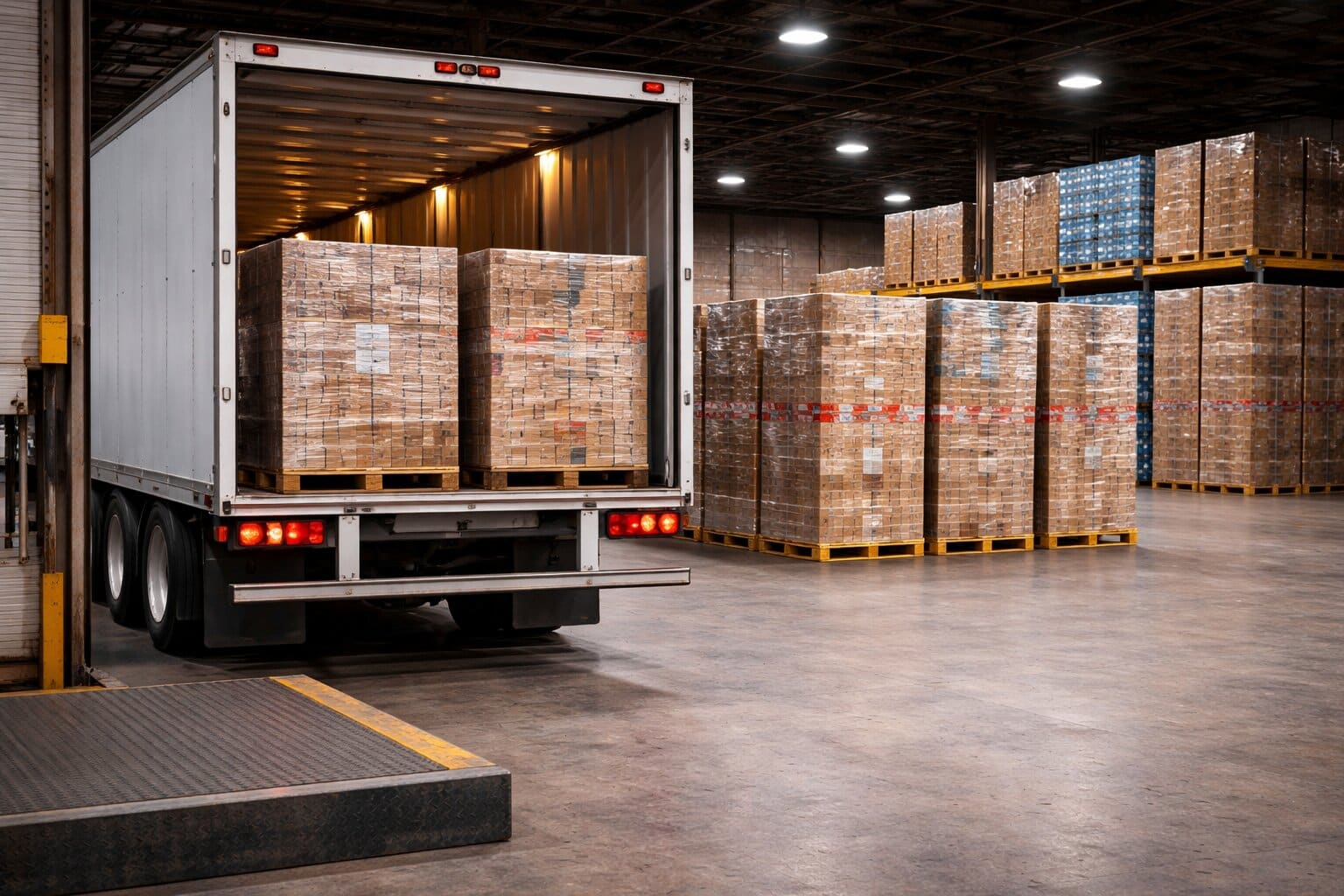
Target liquidation truckloads have a reputation in the resale industry, and it’s mostly earned. Clean merchandise. Recognizable brands. Loads that tend to show up in better condition than what you’ll see from other major retailers.
That reputation is also why Target truckloads are harder to get than most new buyers expect.
Experienced operators buy them months in advance. The best loads move fast.
And if you don’t understand the difference between a load packed with thousands of small items and one built around fewer, higher-value pieces, or why the time of year you’re buying matters as much as the price, you’ll end up overpaying for the wrong inventory.
This guide covers how Target’s liquidation pipeline works, what makes it different from Amazon and Walmart, and how to find a supplier who understands what you actually need.
Key Takeaways
➤ Target runs tighter category controls on its liquidation inventory than most retailers. That’s why the loads tend to feel “cleaner,” but it also means fewer surprises in the product mix.
➤ Target truckloads come in different formats. Some are packed with thousands of small, fast-moving items. Others contain fewer but larger, higher-value pieces. They serve completely different businesses, and treating them as interchangeable is a costly mistake.
➤ Seasonality drives Target liquidation more than it does for Amazon or Walmart. Buying cycles, seasonal resets, and apparel turnover all affect what’s available and when.
➤ The best Target truckloads get committed months ahead of delivery. Buyers who wait until they need inventory often end up with what’s left, not what’s best.
➤ A supplier who can explain the difference between load types and help you time your purchasing has more value than one who just quotes a price.
Quick Overview
How Target Liquidation Works (And Why It’s Different)

Target’s liquidation pipeline has a few characteristics that set it apart from Amazon and Walmart. Understanding them before you buy will save you from the most common and most expensive mistakes in this space.
Where the Inventory Comes From
Target generates liquidation inventory through a combination of customer returns (both in-store and from Target.com), overstock, shelf pulls, seasonal clearance, and discontinued items.
What makes Target different is how tightly they manage their product mix. Target has built its entire retail brand around curation. Their private label lines (Cat & Jack, Threshold, Good & Gather, All in Motion, and others) make up a large share of what ends up in liquidation. That curation carries through to the secondary market.
In practice, this means Target loads tend to have:
- A higher percentage of shelf pulls and overstock compared to purely return-driven retailers. Many items were never sold and still have original packaging.
- Cleaner overall condition, especially on loads built around smaller items
- Strong private label brands that customers already recognize and trust at resale
That’s the good news. The trade-off is that Target’s pipeline is smaller than Walmart’s, and the better loads get spoken for faster.
Why Target Doesn’t Sell Direct
Like Amazon and Walmart, Target doesn’t sell liquidation truckloads directly to individual buyers.
Target’s official liquidation marketplace runs through B-Stock, where registered buyers can bid on pallets and truckloads. This is the only way to buy “directly from Target.” Outside of the auction platform, authorized liquidation partners purchase inventory from Target distribution centers in bulk and resell to end buyers.
Target’s distribution centers in locations like North Carolina, Indiana, California, Pennsylvania, Ohio, Florida, and Arizona serve as the primary shipping points for liquidation loads.
The Load Types That Matter
This is where Target gets more specific than other retailers. Not all Target truckloads contain the same kind of merchandise, and the distinction matters more here than with Walmart or Amazon.
High-volume loads packed with smaller items. These truckloads contain thousands of individual pieces. Think health and beauty products, toys, housewares, electronics, accessories, and general small merchandise packed into large containers called gaylords. A single truckload can run 10,000 to 15,000+ units. These loads typically exclude apparel and shoes.
This format is built for bin stores and high-volume discount operations. The per-piece cost is low (often under a dollar per item), the variety keeps customers digging, and the unit count keeps your shelves full longer between restocks.
Loads built around larger, higher-value items. These truckloads contain fewer individual pieces but at a higher retail value per item. Expect housewares, small appliances, furniture, electronics, sporting goods, toys, and home goods. A truckload might run 900 to 1,700 units across 24 to 30 pallets.
This format works for discount retailers, auction houses, individual resellers, and pallet sellers. The items are bigger, the individual margins are higher, and the processing is different.
Apparel truckloads. Target moves large volumes of men’s, women’s, and children’s clothing through liquidation as a separate load type. These truckloads run extremely high piece counts, sometimes 20,000+ units per load, at a very low per-unit cost. They follow a seasonal calendar tied to Target’s in-store inventory resets.
Who Can Sell Target Liquidation Inventory

The Official Auction Platform
Target’s official liquidation marketplace is operated through B-Stock. Buyers register, get approved, and bid on lots ranging from a few pallets to full truckloads. Inventory ships from Target DCs and typically comes with detailed item lists showing descriptions, condition grades, and estimated retail values.
What works: You’re buying as close to the source as possible. The inventory hasn’t been processed by intermediaries.
Where it falls short: The official marketplace only allows US buyers to register. Competition for the best lots is tough, especially for high-volume small-item loads and premium mixed merchandise. Payment is through B-Stock, shipping is either “binding” (you cover all delivery costs) or buyer-arranged, and there’s minimal support after the sale. You’re on your own if something goes sideways.
Brokers and Resellers
The broker market for Target loads is active but uneven. Some brokers purchase directly from Target DCs or from primary contract holders and provide genuine value through load selection and logistics help. Others are downstream resellers adding markups to loads that may have been sorted or picked through.
The biggest risk with Target specifically: because Target loads have a strong reputation, brokers tend to charge a premium. “Target truckload” carries weight in the market, and some brokers price accordingly even when the load quality doesn’t justify it.
Questions to ask any broker:
- Where does this load originate? Which distribution center?
- What type of load is it? Small items in volume, or larger individual pieces?
- How many hands has this inventory passed through since leaving Target?
If the answers are vague, keep looking.
Direct and First-Source Suppliers
Direct suppliers purchase from Target distribution centers or primary authorized channels and sell at quoted prices. No bidding, no competing for lots.
Worldly Treasures Liquidators sources Target inventory across multiple load types and regions, selling to bin store operators, discount retailers, auction companies, and export buyers.
The advantage of a direct supplier for Target loads is the guidance it provides. A high-volume small-item load and a load of larger mixed merchandise serve completely different businesses. A direct supplier who handles both can steer you toward what actually fits your operation rather than just moving whatever they have on hand.
What to Evaluate Before You Buy
Load Type Fit
This is the most Target-specific piece of advice in this guide. Before you think about price, make sure the load type matches your business.
Upfront Communication About Load Contents
Your supplier should be able to tell you what type of load you’re buying, the general category mix, which region it ships from, and what to realistically expect in terms of condition. They shouldn’t be making promises about specific items or guaranteed retail values.
Worldly Treasures Liquidators is straightforward about what they know and what they don’t. If information is limited on a particular load, they’ll tell you before you pay, not after.
Fund Protection
Your payment shouldn’t be at risk before freight is confirmed in transit. Worldly Treasures Liquidators structures every transaction with protected purchasing. Your capital stays safe until the load is actually moving.
This is especially important with Target loads, where the per-load investment can run higher than that of some other retailers.
Communication
Problems happen. Freight delays, condition questions, and load timing. The speed of your supplier’s response directly affects how quickly you resolve them. Worldly Treasures Liquidators guarantees same-day communication.
What Happens When Things Go Wrong
No supplier can promise every load will be perfect. If inventory arrives damaged or doesn’t match what was described, will your supplier work with you to make it right? Worldly Treasures Liquidators does. That should be a basic expectation, but it’s not standard across this industry.
Best Supplier Options by Buyer Type
If You Run a Bin Store
High-volume small-item loads are your business. Everything else is secondary.
Your bins need to stay full, which means you need consistent access to loads packed with thousands of pieces, not a one-time auction win that you can’t repeat next month. The unit economics matter. At well under a dollar per piece on a good load, your bins are profitable from the start if you can maintain supply.
Worldly Treasures Liquidators carries Target loads with strong per-piece pricing out of the Midwest and Southeast on a consistent basis. That lets you build a restocking schedule instead of scrambling.
Skip: Loads built around larger items when you need volume, and any supplier who can’t tell you the difference between load types.
If You Operate a Discount Retail Store
Loads with larger, higher-value Target merchandise are a strong fit. The items tend to arrive in better condition than equivalent loads from Walmart or Amazon, with recognizable brands that your customers already trust. A few of these truckloads can stock an entire store section.
Look for a supplier who can talk you through the typical category mix and condition expectations for the specific load and region you’re buying from. Worldly Treasures Liquidators can walk you through what to expect before you commit.
If You’re an Experienced Truckload Buyer
You know Target loads command a premium in the market. What you need is consistent access without overpaying, and a supplier who takes accountability seriously.
At truckload volume, one bad load is expensive. Prioritize:
- Fund protection on every transaction
- A supplier who responds the same day
- Accountability when loads don’t meet expectations
Worldly Treasures Liquidators has built their business on repeat buyers. That only works if the relationship holds up under pressure.
If You Buy Apparel for Resale
Target apparel loads run deep. The per-unit cost is low, and the volume is high, which works well for flea markets, Whatnot sales, Poshmark and eBay resellers, and discount clothing stores.
But timing is everything with clothing. Target resets its inventory seasonally, and the apparel loads entering liquidation reflect those cycles. Buying summer apparel in August means you’re already behind. The resellers who profit on Target clothing buy ahead of the season, not during it.
A supplier with experience in Target apparel loads can help you time your purchases to catch the right seasonal window. Worldly Treasures Liquidators moves Target apparel and can advise on timing.
Why Target Truckloads Are Bought Months Ahead
This is the dynamic most guides skip, and it’s the one that costs new buyers the most.
Target’s liquidation pipeline is smaller than Walmart’s and more structured than Amazon’s. The best loads don’t sit around. Experienced buyers lock them in weeks or months before delivery. They’ve built relationships with suppliers who give them first access, and they plan their purchasing calendar around Target’s seasonal inventory cycles.
Here’s how that plays out across the year:
Q1 (January – March): Post-holiday clearance floods the pipeline. Holiday decor, seasonal items, and gift returns create a surge of available inventory. This is when volume buyers stock up.
Q2 (April – June): Spring and summer merchandise enters liquidation as Target resets for the new season. Outdoor, garden, and warm-weather apparel loads become available.
Q3 (July – September): Back-to-school inventory creates a wave of liquidation as Target clears shelf space. Smart buyers purchasing for Q4 start locking in loads now.
Q4 (October – December): Inventory tightens. Demand spikes. Buyers who planned ahead are selling while everyone else scrambles to source.
If you’re waiting until you need Target inventory to start looking for it, you’re too late for the best loads. The buyers who do well in this space plan their purchasing a full quarter ahead.
Common Mistakes Buyers Make With Target Inventory
Buying a Load That Doesn’t Match Your Business
A bin store operator who buys a load of larger mixed merchandise ends up with 1,000 items when they needed 10,000. A discount retailer who buys a load built for bin stores gets thousands of small items with no anchor pieces for their floor. Ask your supplier what type of load you’re buying and who it’s built for.
Ignoring the Seasonal Calendar
Target’s liquidation follows its retail calendar. Buying seasonal merchandise after the season is a fast way to sit on inventory that won’t move for months. Plan a quarter ahead.
Assuming Target Loads Don’t Need Processing
Target loads tend to arrive in better condition than other retailers. That doesn’t mean they’re ready to sell straight off the pallet. Returns still need testing. Items need sorting. Damaged packaging needs to be dealt with. Build processing time and labor into your margin calculations.
Overpaying for the Brand Name
“Target truckload” carries weight in the liquidation market. Some of that premium is justified by the quality of the merchandise. Some of it is brokers capitalizing on the name. Know what the load actually contains before you let the retailer’s name drive your purchasing decision.
Final Guidance
Target liquidation truckloads are some of the most sought-after inventory in the secondary market, and for good reason. The merchandise tends to be cleaner, the brands are recognizable, and the loads are more structured than what you’ll find from larger-volume retailers.
But demand outpaces supply on the best loads. The buyers who consistently get good Target inventory are the ones who understand the load types, plan their purchases around the seasonal calendar, and work with suppliers who give them honest guidance rather than leftover lots.
What type of load does your business actually need? When is the right time to buy it? And is your supplier being straight with you about what’s on the truck?
Start there.
Frequently Asked Questions
Can I buy Target liquidation truckloads directly from Target?
No. Target routes its liquidation through B-Stock’s official auction marketplace and through authorized liquidation partners. The auction platform requires US registration and a resale certificate. Outside of auctions, you work with a direct supplier or broker who purchases from Target distribution centers.
What condition should I expect from Target’s liquidation inventory?
Target loads generally arrive in better condition than equivalent loads from Amazon or Walmart, with a higher proportion of shelf pulls and overstock. But “better condition” doesn’t mean everything is new in the box. You’ll still see opened returns, items with damaged packaging, and products that need testing.
Do Worldly Treasures Liquidators sell Target pallets as well as truckloads?
Yes. Not every buyer is ready for full truckload volume, and not every operation needs that much inventory at once. Worldly Treasures Liquidators sells TRGT pallets for buyers who want to start smaller, test a load type before scaling up, or supplement their truckload purchasing with smaller orders between deliveries.
How many pallets are in a Target liquidation truckload?
Most Target truckloads run between 24 and 30 pallets, depending on the load type and how they’re stacked.
