
Worldly Treasures Liquidators · Buyer Guides
How Does Truckload Freight Work, and What Does Shipping a Liquidation Load Really Cost?
Truckload freight moves your liquidation load on a single 53-foot trailer, priced mainly by distance and lane. At Worldly Treasures Liquidators, freight is a separate charge on top of the load price, quoted upfront for your ZIP, an estimate that can shift before it firms up, so there is no surprise bill after the sale. We make nothing on freight. It is passed through at what shipping actually costs, and that movement only reflects market swings like fuel and carrier rates, never markup. We ship full truckloads only, which is what keeps the freight efficient.
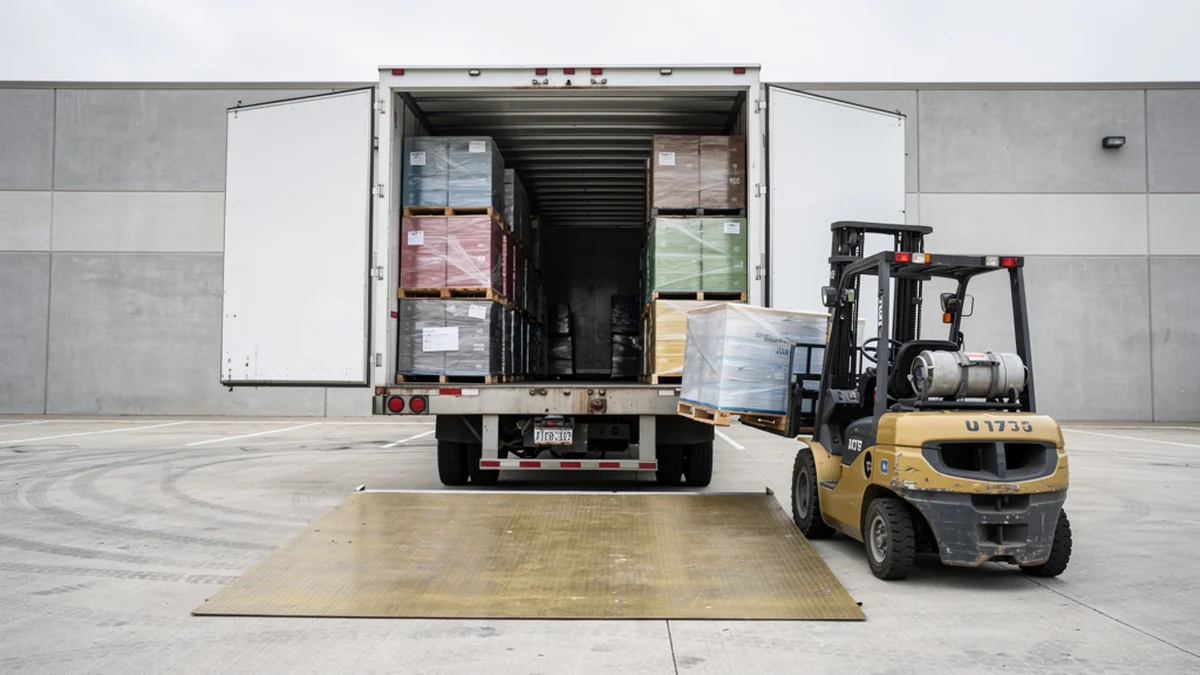
How does full-truckload freight actually work?
Full-truckload freight means your load gets a dedicated 53-foot trailer that goes from pickup straight to your door. Nothing else rides with it, and it does not get unloaded and reloaded along the way. That is the right way to move a liquidation load, because a full truckload is exactly what fills a single trailer.
This is different from the way small parcels move. Less-than-truckload freight, called LTL, shares a trailer with other shipments and gets rehandled at terminals. That rehandling is slower and rougher on the goods. When you buy a full truckload, you skip all of it. The trailer is yours, the route is direct, and the merchandise is handled once.
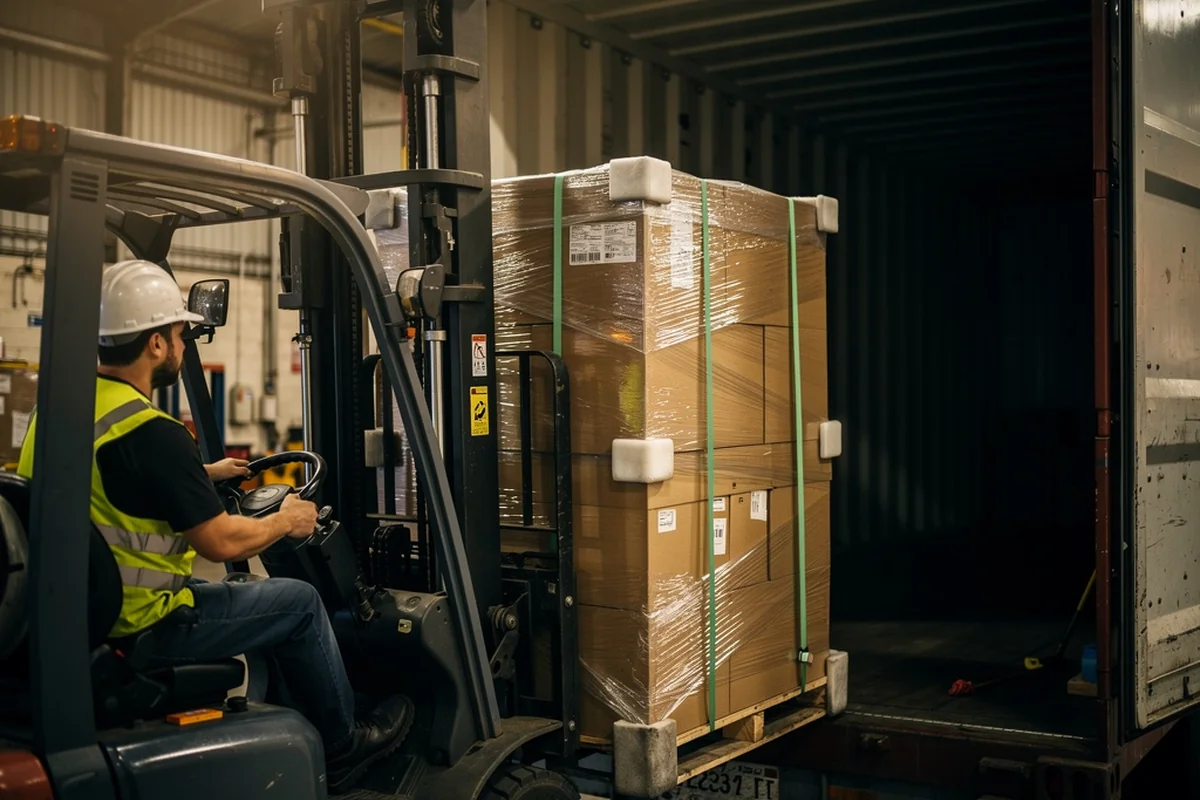
What determines how much freight costs?
Freight cost comes down mainly to distance and lane. A lane is the specific route between where the load ships from and where you are, and some lanes are busy and cheap while others are thin and expensive. A load that travels a short distance on a common route costs less to ship than the same load going across the country on a route trucks rarely run empty.
A few other things move the number. Fuel prices ride along with every mile. Special handling adds cost, so a delivery that needs a liftgate, a residential street, or a limited-access location prices higher than a plain dock-to-dock run. Weight and how the freight is loaded play a part too, though on a full truckload the trailer is the unit you are paying for, not the pound.
Why is surprise freight the most common margin killer?
Surprise freight kills more deals than bad merchandise does. Here is the play. A seller posts a load at a price that looks great, you commit, and then a freight bill arrives that nobody mentioned. By the time you add it to the load price, the cheap load was never cheap, and your margin is gone before you sell a single unit.
It works because freight is easy to leave out of a sticker and hard to estimate on your own. A go-between who never signs for the trailer has every reason to quote you the load and stay quiet about the shipping. The fix is to put both numbers on the table upfront, the load price and the freight, so you see your full cost before you commit.
Is freight part of the load price, or charged separately?
Freight is charged separately, on top of the load price, and we quote it upfront alongside the load, an estimate that can shift before it firms up, so there is no surprise. You see two numbers before you commit, the load and the freight to your ZIP, and your rep confirms both on the specific load you want. Nothing about the shipping is hidden or saved for later.
That honesty is deliberate. Freight is a live market quote, not a flat fee, so pretending it is exact to the dollar would be a lie. We get you close before you commit, which is enough to plan your numbers and far more honest than a fixed fee that quietly pads the cost. Once you know your load price and your freight, you can compare loads cleanly, which is the whole point of understanding what a truckload costs.
Here is the part most sellers will not say out loud. We do not make a dime on freight. It is passed through at what it actually costs to ship your load to your door, not a marked-up version of it. That movement is the freight market shifting under all of us, fuel prices, weather, and carrier availability, not a cushion we built in to pad the number. When the quote firms up, it firms up around the real cost of the truck, never our margin.
What do you need on your end to receive a truckload?
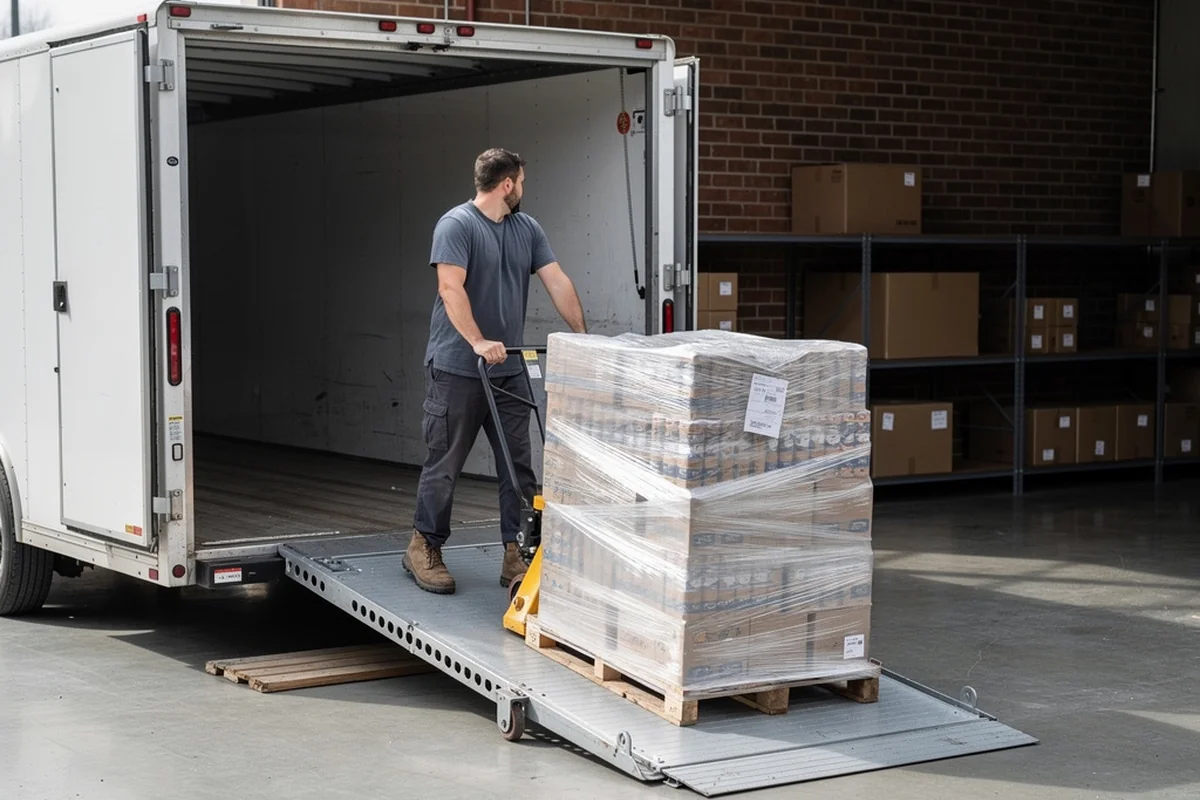
You need a place to put a full trailer and a way to get the freight off it. The easiest setup is a loading dock, where the trailer backs in and you unload straight onto your floor. If you do not have a dock, you can still receive a load with a liftgate and a pallet jack, or a forklift, but that handling takes longer and can change the quote.
Tell your rep your exact setup before the quote is final. A dock, a liftgate, a tight street, or a delivery appointment all affect the freight, and an accurate picture up front keeps the freight quote honest. The goal is no surprises on delivery day, and that starts with you describing your dock, not discovering it at the curb.
How can you keep freight cost down?
The simplest way to cut freight is to buy a load that does not have to travel as far. We tag every load by region, so a load closer to your ZIP usually ships for less than the same load on the other side of the country. That does not mean you should only buy nearby, because the right load can be worth the freight, but it is a real lever. To use it well, read how regional buying actually works.
Buying full truckloads instead of broken pallets keeps your cost per unit low, since one trailer carries the whole load on one freight charge. When you are ready, see what is available right now and request a quote, and your upfront freight quote will tell you exactly what freight adds for your ZIP.
Worldly Treasures Liquidators is a liquidation wholesaler.
How we protect you on these truckloads
Your payment is held and protected until your load is confirmed and on its way to you. If we cannot deliver what we committed to, you are not out the money. No wiring cash into the dark and hoping a load shows up.
If something is not right when your truckload arrives, you talk to a real rep by name, not a ticket queue. We work the problem with you until it is settled. That protection is the foundation of how we earn repeat buyers.
Frequently asked questions
How is truckload freight priced?
Full-truckload freight is priced mainly by distance and the specific lane between origin and your delivery ZIP, plus fuel and any special handling like a liftgate or a residential delivery. A closer load on a common lane ships for less than a far one on a thin lane.
What is the difference between full-truckload and LTL freight?
Full-truckload, or FTL, means your load fills a dedicated 53-foot trailer that goes from pickup to you. LTL, or less-than-truckload, shares trailer space with other shipments and gets rehandled along the way. We ship full truckloads, so your load rides on its own trailer.
Will I get a separate freight bill after I buy?
No surprise bill. We quote your freight for your ZIP upfront, alongside the load price, so you see both numbers before you commit. Freight is charged on top of the load, an estimate that can shift before it firms up, not billed as a shock later. The surprise freight bill is the most common way buyers lose margin, and quoting it upfront is how we remove it.
Do you make money on freight?
No. Freight is the one cost we add on top of the load, and we pass it through at what it actually costs to ship to your door, not a marked-up number. The reason a quote can move at all is the freight market itself, things like fuel prices, weather, and carrier availability, never a margin we built in.
Do I need a loading dock to receive a truckload?
A dock makes it easiest, but it is not the only way. If you do not have a dock, you will need a liftgate and a pallet jack, or a forklift, and that handling can affect the freight quote. Tell your rep your setup so the freight quote is accurate.
Worldly Treasures Liquidators is a liquidation wholesaler. Manifests, when provided, describe expected contents for reference; actual contents can vary, and we describe condition the way loads actually arrive.